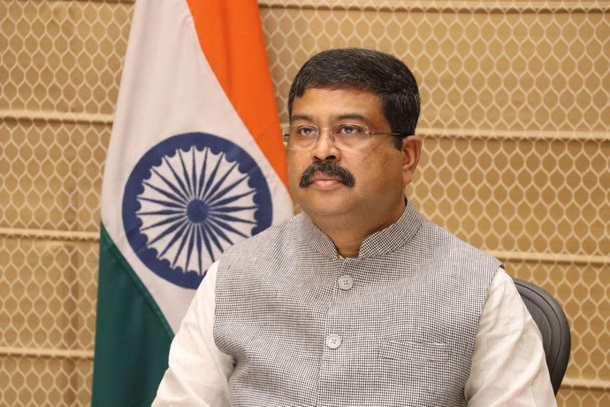

NEW DELHI, July 27: Union Education Minister Dharmendra Pradhan resigned today after weeks of nationwide student protests over alleged irregularities in examinations, including the NEET paper leak controversy. Hours after the resignation, the Centre gave additional charge of the Ministry of Education to Pralhad Joshi, in what appears to be the government’s first major leadership change amid mounting public pressure over examination reforms.
“I have submitted my resignation to the prime minister. The decision has been taken in the interest of students and to prevent the ongoing controversy from affecting the students’ academic future,” Pradhan said. His resignation comes after weeks of protests by student groups and the Cockroach Janta Party (CJP) demanding accountability for alleged paper leaks and irregularities in national entrance examinations.
Nationwide NEET Protests Intensified Demands for Accountability
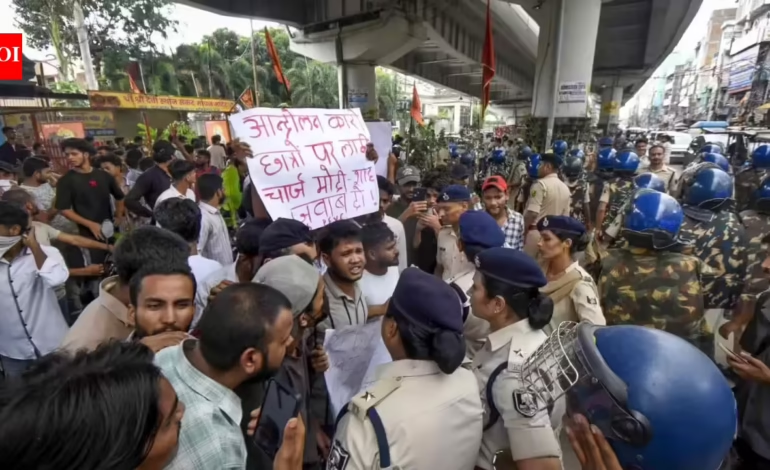
The resignation comes in the wake of weeks of protests around Jantar Mantar in Delhi and several other parts of the country. Protesters had demanded reforms to India’s examination system and more transparency in the holding of competitive entrance tests. The issue came into the limelight after allegations of question paper leaks and irregularities in NEET-UG examinations raised widespread public concern.
Government Announces Education Ministry Transition and Examination Reforms
Soon after Pradhan resigned, the President accepted his resignation on the advice of the Prime Minister and gave Pralhad Joshi additional responsibility of the Education Ministry in addition to his existing portfolios. Joshi is now the Union Minister for Consumer Affairs, Food and Public Distribution and New and Renewable Energy.
Joshi, who took over the ministry, said he would perform his new duties with humility and a great sense of responsibility. He has been appointed at a critical time when the government is pushing ahead with a series of reforms to restore confidence in the country’s examination system after the controversy.
The change of leadership is part of a wider package of reforms announced by the Centre. The government has proposed amendments to strengthen anti-paper leak laws, initiated an overhaul of the National Testing Agency (NTA) and announced administrative action against officials linked to examination irregularities. The measures aim to enhance transparency and strengthen the integrity of public examinations.
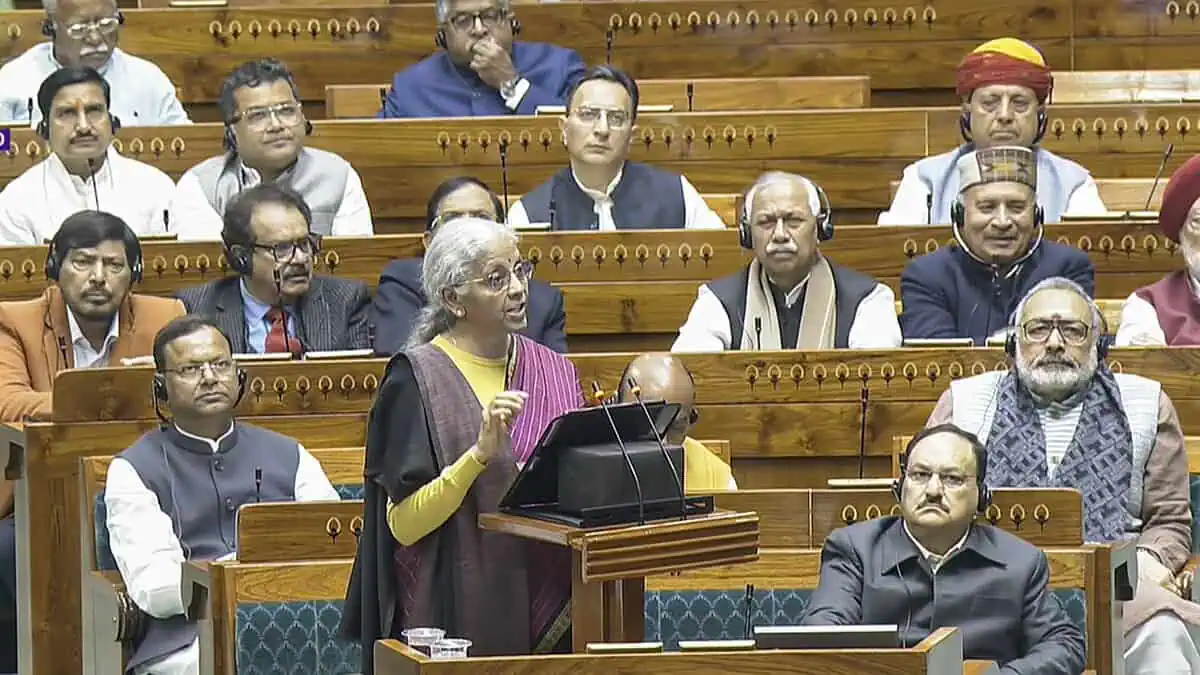
The political responses have continued even in the wake of the ministerial reshuffle. Opposition parties have maintained that the issue of accountability goes beyond the resignation of the Education Minister and said they would continue to raise the issue during the ongoing Parliament session. Student groups also said they would watch closely how the promised reforms are carried out before deciding what to do next.
The protests are among the biggest youth-led movements the Union government has faced in recent years. What began as protests over alleged examination irregularities has evolved into a wider demand for systemic reforms, greater accountability and improved safeguards against examination fraud.
With a new minister at the helm of the Education Ministry and legislative changes in the pipeline, the ball is now in the government’s court, with all eyes on how soon it can deliver on its promises and restore public faith in India’s competitive examination process.
For more