Government, Protesters Hold Fresh Talks as Centre Announces Tougher Paper Leak Law Amid Nationwide Student Agitation

NEW DELHI, July 24: Paper Leak Law India : The Centre held another round of talks with representatives of the Cockroach Janta Party (CJP) on Friday as nationwide protests over alleged examination irregularities continued, even as the Union Cabinet approved a draft Bill proposing stricter punishments for paper leak offences. The meeting came after the government agreed to hold talks at a neutral venue but protest leaders said the main demand was the resignation of Union Education Minister Dharmendra Pradhan.
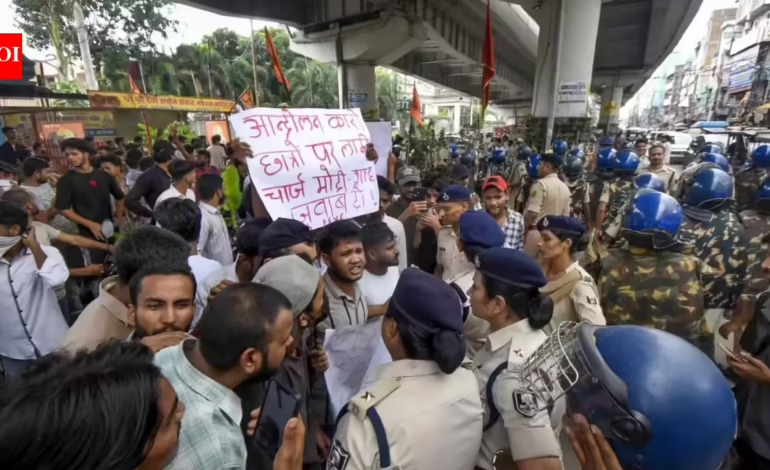
The developments came against the backdrop of heightened security in the national capital where large parts of central Delhi remained under restrictions for the third consecutive day. A number of Metro stations were closed, extra police forces were stationed around Jantar Mantar and protests continued in a number of States against the alleged NEET paper leak and examination reforms.
Cabinet okays draft bill for enhanced penalties
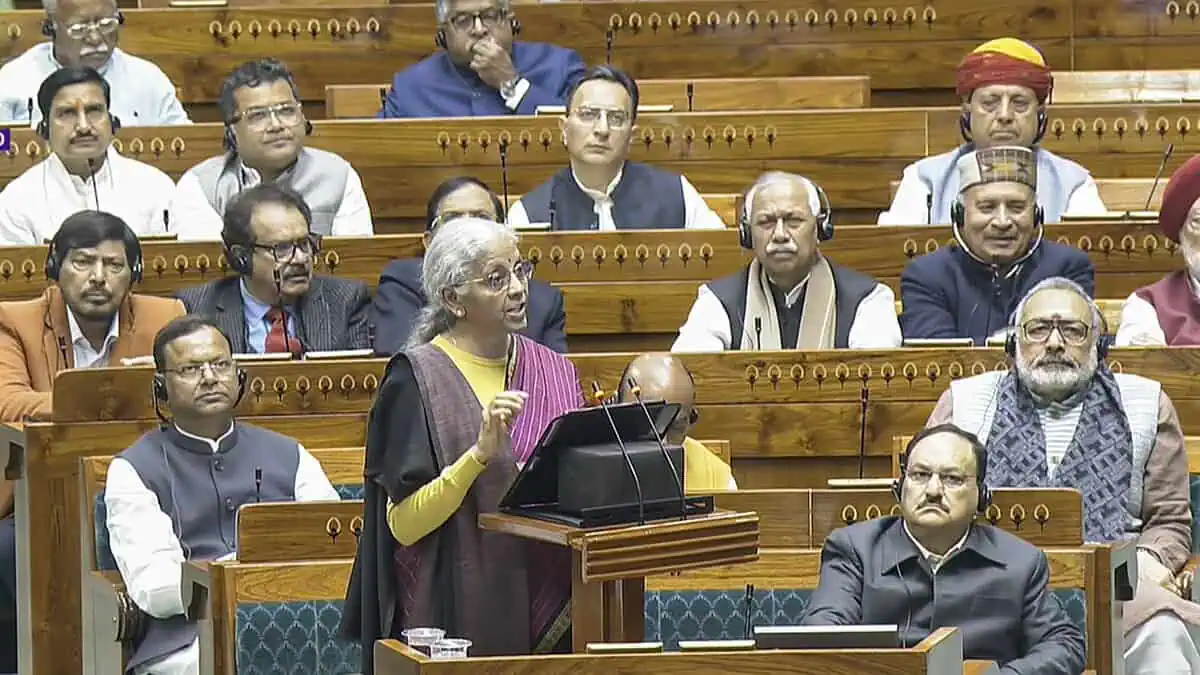
In one of the significant policy decisions of the day, the Union Cabinet approved a draft amendment to the Public Examinations (Prevention of Unfair Means) Act, 2024, to provide for stricter punishment for the culprits involved in examination paper leaks.
Official sources say the proposed amendments will impose a mandatory minimum prison sentence of five years for those found guilty of paper leaks. Organized examination fraud could see culprits behind bars for a decade and a fine of ₹10 crore. The legislation, announced by Prime Minister Narendra Modi, will toughen penalties already available under the current law and follows the Prime Minister’s announcement that the government would introduce tougher legal measures against examination fraud.
The government also announced wider institutional reforms. In an extensive administrative purging, the National Testing Agency (NTA) dismissed services of 47 officials, with some facing probable legal and criminal proceedings. The authorities said the decision was part of wider reforms after the controversy over alleged paper leaks
Protest Leaders Stand Firm on Key Demand
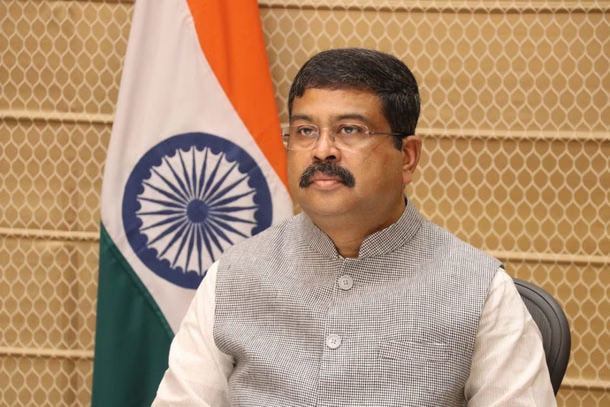
Despite the government’s legislative and administrative announcements, CJP leaders reiterated that the resignation of Union Education Minister Dharmendra Pradhan remained a non-negotiable demand.
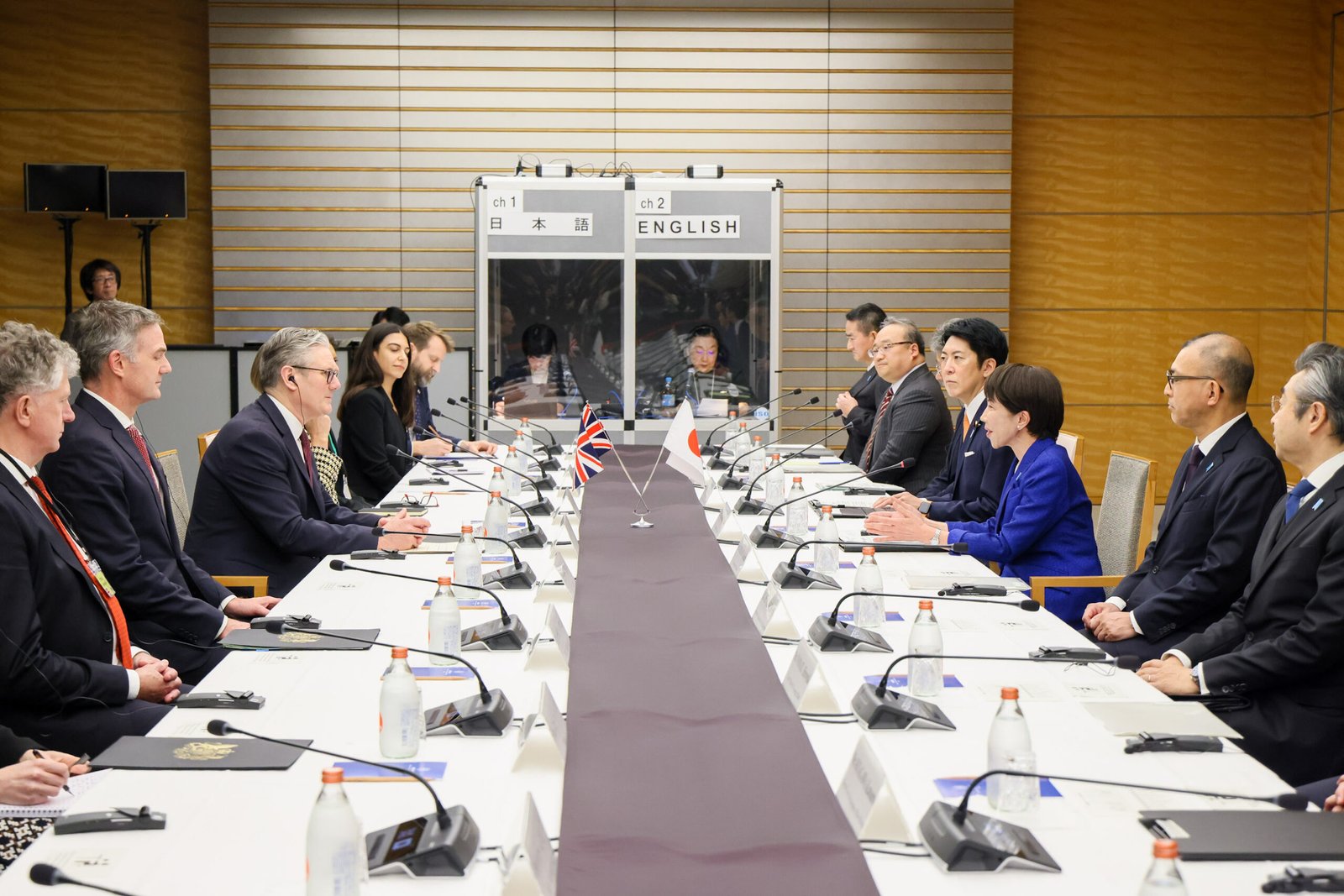
Representatives of the organisation met Union Ministers J.P. Nadda and Jitendra Singh during another round of discussions held after the government accepted the protesters’ request to shift negotiations to a neutral venue.
Following the meeting, CJP spokesperson Saurav Das said the organisation had also sought withdrawal of criminal cases registered against protesters and financial compensation for families of students who allegedly died by suicide. However, he stated that the protest would continue until the Education Minister resigned.
CJP representatives later said they had given the government 24 hours to consider their demands while indicating that further discussions would continue on Saturday.
Sonam Wangchuk Ends Hunger Strike
Climate activist Sonam Wangchuk ended his 26-day hunger strike after receiving assurances from the government regarding his demands for examination reforms and protection of peaceful protesters.
Union Ministers J.P. Nadda and Jitendra Singh met Wangchuk at a hospital in Gurugram late Thursday night before he announced the end of his fast. Wangchuk described the decision as the “beginning of accountability” and said he had extended the fast while negotiations with the Centre were underway.
While Wangchuk concluded his protest, CJP leaders clarified that demonstrations at Jantar Mantar would continue until their principal demands were addressed.
Security Tightened Across Delhi
Authorities maintained extensive security arrangements throughout central Delhi as demonstrations entered another day.
The Delhi Metro Rail Corporation initially closed 17 Metro stations before reopening entry gates at Mandi House and Central Secretariat later in the evening. However, many stations remained shut, while interchange facilities continued to operate at selected locations. Police also deployed additional surveillance measures around Jantar Mantar, including Mobile Command and Control Vehicles and Facial Recognition System cameras, which officials said were intended to strengthen security during the protests.
The security restrictions significantly affected commuters, with many office workers in central Delhi reporting long walks because Metro services and road access remained disrupted.
Courts Hear Multiple Petitions
The protests also prompted legal proceedings before the Delhi High Court and the Supreme Court.
The Supreme Court agreed to hear petitions on July 27 alleging excessive police action during student protests. Separately, the Delhi High Court agreed to hear a public interest litigation challenging the suspension of mobile internet services around Jantar Mantar. Another petition seeking an NIA investigation into the July 20 Parliament march was not entertained, with the High Court observing that such decisions fall within the Centre’s jurisdiction under existing law.
Questions surrounding the use of force during earlier demonstrations also remained under scrutiny. The CRPF said it was verifying reports regarding the alleged use of pellet guns by Rapid Action Force personnel, while the RAF initiated an internal verification exercise into its personnel’s actions during crowd-control operations.
Protests Spread Across States
Demonstrations continued beyond Delhi, with political parties, student organisations and civil society groups organising rallies in Mumbai, Hyderabad, Nagpur, Kolkata and several other cities.
In Mumbai, Shiv Sena (UBT) organised a large Tiranga rally demanding the Education Minister’s resignation. Hyderabad witnessed a march involving hundreds of students, while Left student organisations clashed with police during protests in Kolkata over the alleged NEET paper leak. Police also remained on high alert in Bihar as authorities monitored student gatherings across multiple districts.
Meanwhile, Delhi University and Jawaharlal Nehru University advised students to avoid gatherings around Jantar Mantar, citing safety concerns, a move that drew criticism from opposition leaders and student groups.
Talks Continue Amid Calls for Accountability
Although the Centre has announced tougher laws and administrative reforms, negotiations with protest representatives remain ongoing. Government ministers and CJP leaders are expected to hold another round of discussions as authorities seek to resolve the continuing agitation over examination reforms, accountability and allegations of paper leaks.
The outcome of those discussions could determine whether the nationwide protests continue or whether both sides move closer to a negotiated resolution in the coming days.
For more
Image Source: The Times of india.