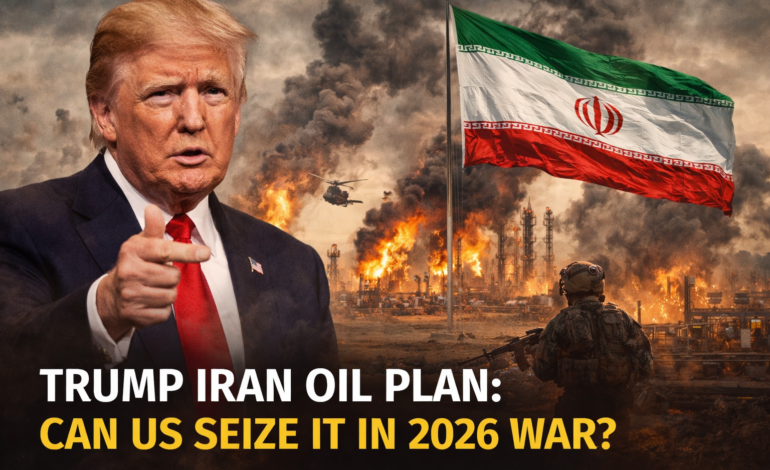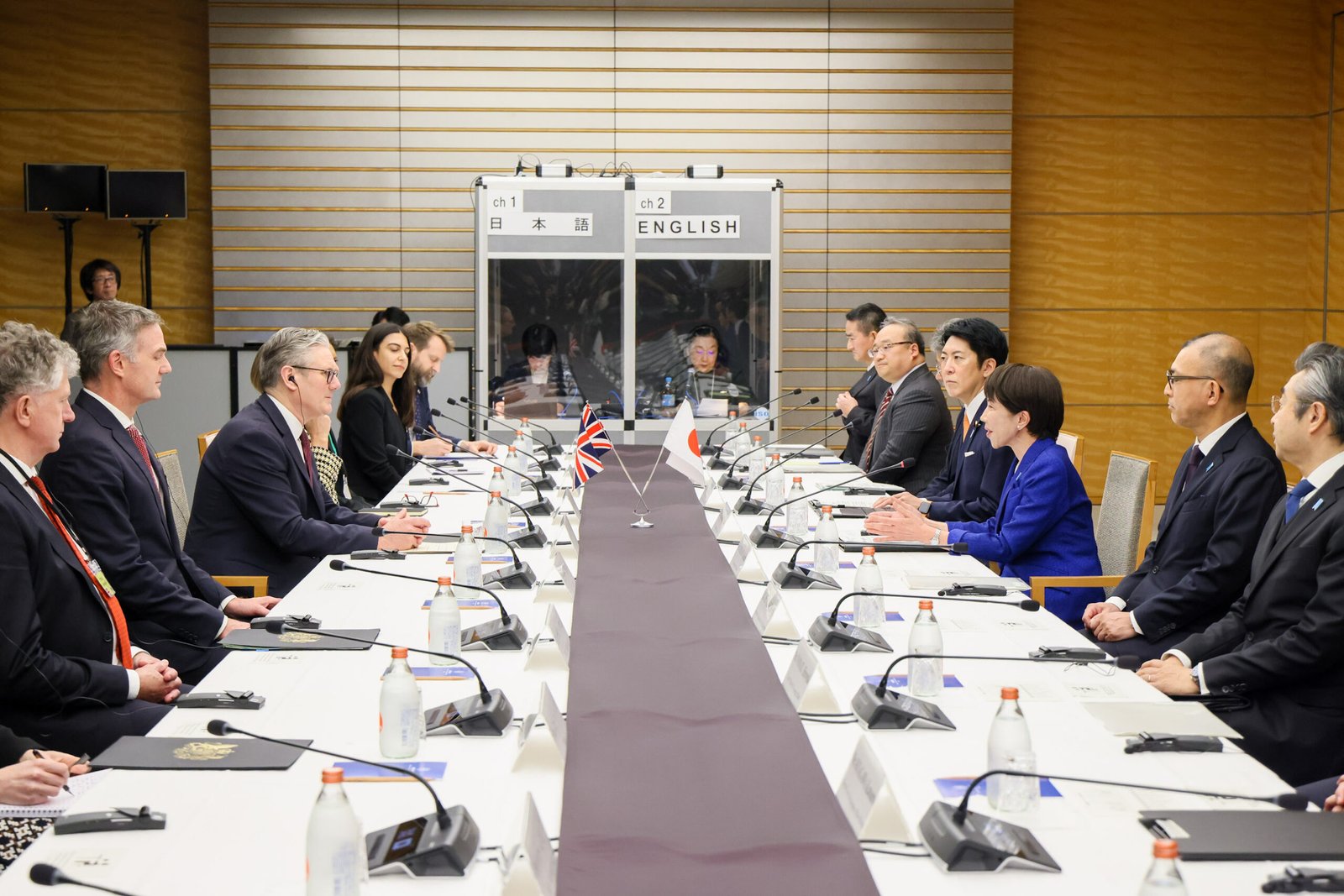

The ongoing conflict involving the United States, Israel, and Iran has entered a critical phase, with fresh military strikes, rising casualties, and growing global concerns. As the war reaches Day 27, the situation remains volatile across multiple regions, while its ripple effects are now being felt in countries like India.
Intensified Strikes and Rising Tensions
The conflict, which began with coordinated US–Israel strikes on Iran in late February, has now expanded across key regions including Tehran, Lebanon, and strategic maritime zones. In recent developments, Israeli forces carried out targeted attacks on Iranian military infrastructure, including operations that reportedly eliminated senior commanders linked to naval operations.
The killing of a high-ranking naval commander associated with the Islamic Revolutionary Guard Corps (IRGC) is seen as a major escalation. Analysts believe such strikes could further weaken Iran’s military coordination but may also trigger stronger retaliation.
At the same time, Iran has continued launching missile and drone attacks targeting strategic locations, including Gulf infrastructure and shipping routes. The conflict has also affected the Strait of Hormuz, a critical oil transit route, increasing fears of global supply disruptions.
Global Impact: Oil Prices and Market Uncertainty
As tensions rise, global markets have reacted sharply. Oil prices have surged amid concerns over disrupted supply chains, especially due to instability in the Gulf region.
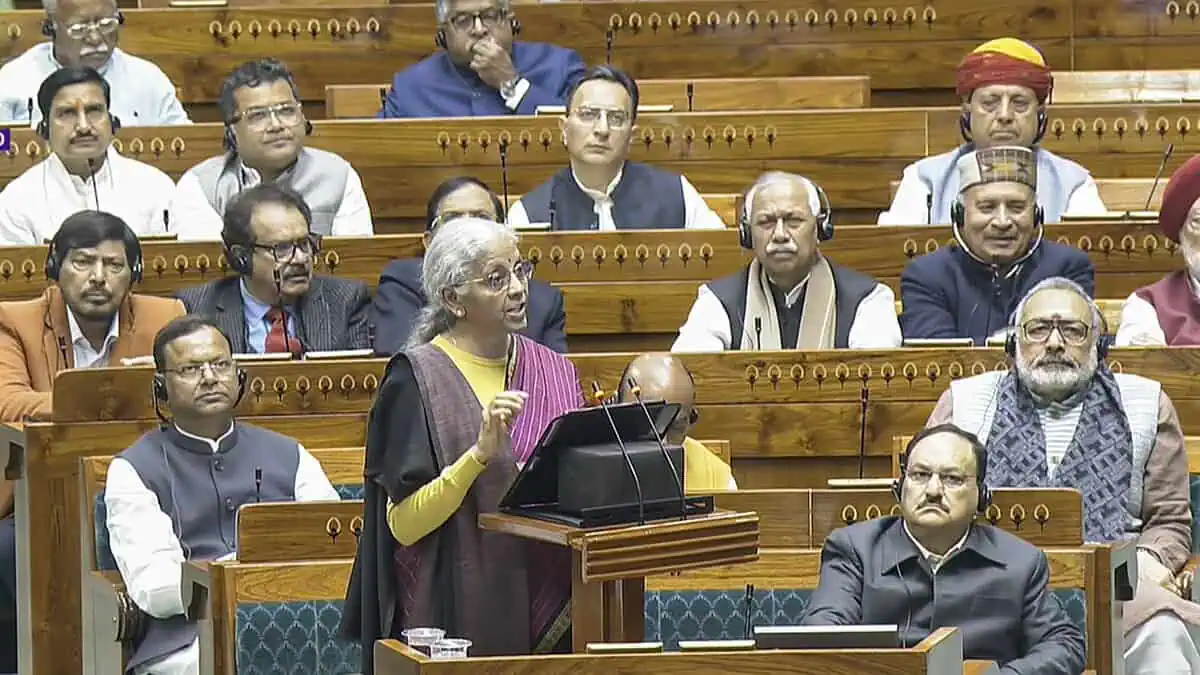
Asian markets have shown volatility, and energy-dependent economies are closely monitoring developments. Even India has taken precautionary steps, including reviewing fuel pricing policies to manage economic impact.
Experts warn that prolonged conflict could lead to further economic instability, affecting global trade, transportation, and inflation.
Humanitarian Concerns Continue to Grow
The war has also led to increasing civilian casualties and widespread destruction. Airstrikes in Iranian cities have caused fatalities and damage to infrastructure, while rescue teams continue to search for survivors in affected areas.
Across the region, thousands of people have been displaced, and international agencies are raising alarms over humanitarian risks if the conflict continues.
India Reacts: No Lockdown, Government Clarifies
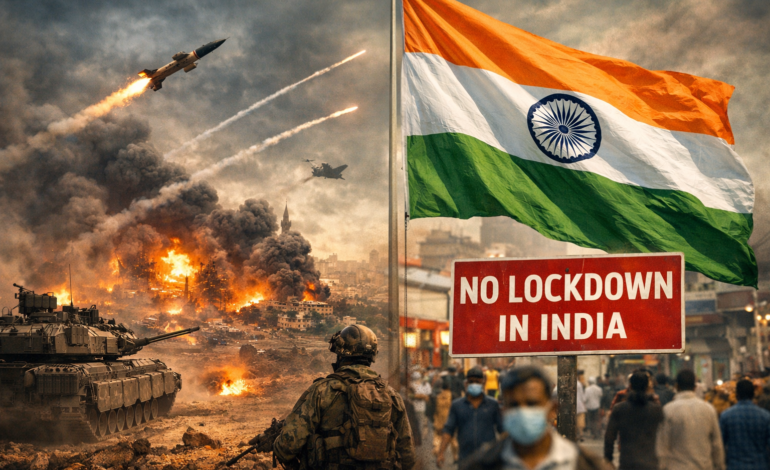
Amid rising tensions, rumours about a possible lockdown in India began circulating on social media, causing public concern.
However, the government has strongly dismissed these claims. Union Minister Hardeep Singh Puri clarified that such rumours are “completely false” and that there is no proposal for a nationwide lockdown.
The clarification comes at a time when global uncertainty has led to speculation about economic disruptions, especially related to fuel supply and logistics.
What Lies Ahead?
Despite ongoing diplomatic efforts, there are no clear signs of de-escalation. Peace proposals have been discussed, but differences between involved nations continue to delay any breakthrough.
As the conflict stretches into its fourth week, the world is closely watching how the situation unfolds. For countries like India, the focus remains on maintaining economic stability, ensuring energy security, and protecting citizens from misinformation.
Conclusion
The Middle East conflict has evolved into a complex geopolitical crisis with global consequences. From rising oil prices to disrupted supply chains and public anxiety, the effects are being felt far beyond the battlefield.
For now, the situation remains uncertain — and both governments and citizens must stay informed through verified sources while avoiding misinformation.
For more updates.
Image credit: AI-generated (ViewNewz)